Garage Door Lock Replacement: A Comprehensive Guide
Garage doors are integral parts of home security and convenience. They serve to secure lorries and kept products while providing simple access to house owners. However, like all mechanical systems, they can experience wear and tear, especially the locking mechanisms. This guide will cover the factors for garage door lock replacement, the kinds of locks available, a step-by-step replacement procedure, and upkeep suggestions to enhance security and longevity.
Why Replace a Garage Door Lock?
There are a number of engaging factors to consider replacing a garage door lock:
- Wear and Tear: Constant use can cause use of the lock mechanism, making it less efficient.
- Lost Keys: Losing keys puts the safety of your home at danger, demanding a lock replacement.
- Upgraded Security: New locking technologies and systems can supply much better security than older models.
- Increased Damage Resilience: If a lock is harmed (through forced entry, rust, or other concerns), it may require to be changed for safety.
- Altering Family Dynamics: If you have moved into a new home or have actually had occupants, altering the locks is advisable.
Types of Garage Door Locks
Comprehending the types of locks readily available can assist property owners in making a notified decision relating to replacements. The following are typical types of garage door locks:
| Type of Lock | Description |
|---|---|
| T-handle Lock | Often mechanical, making use of a t-shaped handle for simple operation. Appropriate for overhead garage doors. |
| Electronic Keypad Lock | A modern option that requires a code input for access. Perfect for those who prefer keyless entries. |
| Deadbolt Lock | A robust option that offers extra security. May be run by key or a keypad. |
| Smart Lock | Allows gain access to via smart devices or smart home systems. Provides state-of-the-art security functions. |
| Slide Bolt Lock | A simple and economical manual locking solution, using basic security. |
Step-by-Step Guide for Garage Door Lock Replacement
Replacing a garage door lock might appear difficult, however with the right tools and strategies, it can be a manageable DIY job. Follow the steps listed below:
Tools Required:
- Screwdriver (flathead and Phillips)
- Replacement lock
- Secret (if needed for your new lock type)
- Lubricant (for preserving the new lock)
- Safety goggles
Replacement Steps:
- Assess the Current Lock: Identify whether the lock is working or completely broken. This will inform your replacement options.
- Gather Necessary Tools: Before beginning, guarantee you have all the tools at hand.
Remove the Old Lock:
- Open the garage door.
- Locate the screws holding the lock in place, generally noticeable from inside the garage.
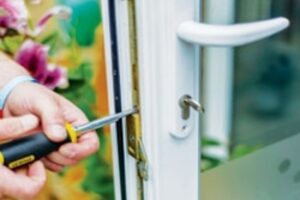
- Unscrew the fasteners with the screwdriver and gently pull out the lock mechanism.
Prepare the New Lock:
- Follow the maker's directions for your new lock, making sure all elements are intact.
- Check the new lock mechanism to guarantee it works properly before installation.
Install the New Lock:
- Align the new lock in the exact same position as the old one.
- Secure it in location utilizing the screws. Tighten them effectively, but be mindful not to overtighten, which can damage the material.
- Check the New Lock: After installation, test the lock several times to make sure smooth operation. Check both locking and opening functions.
- Apply Lubricant: To improve the function and longevity of the lock, apply a percentage of lube to the locking mechanism.
- Keep the Lock: Set up a routine upkeep routine for your garage door lock.
Upkeep Tips for Garage Door Locks
To make sure the longevity of your new garage door lock and keep security, think about these upkeep suggestions:
- Regular Lubrication: Perform lubrication of the lock a minimum of when a year.
- Look for Rust: Inspect for signs of rust or rust, particularly in wet environments. Address any issues right away.
- Test Security Features: If you installed an electronic or smart lock, guarantee that the battery is working and system updates are carried out.
- Tidy Mechanisms: Regularly tidy locks with a wet fabric and eliminate debris or dirt that might impede appropriate performance.
- Consider Professional Help: For upkeep of more intricate locks, such as smart locks, consider working with a professional for assessments.
Frequently asked questions
Q1: How frequently ought to I change my garage door lock?A1: It is
recommended to check your garage door lock a minimum of when a year. Change it if you see wear, rust, or if you've lost the keys.
Q2: Can I replace my garage door lock myself?A2: Yes, many garage door locks are created for simple DIY replacement. Just follow the producer's instructions carefully. Q3: What tools do I need for lock replacement?A3: Basic tools such
as screwdrivers (flathead and Phillips)are generally enough. Q4: How do I keep my garage door lock?A4: Regularly oil the mechanism, determine rust, and keep the lock
free of debris for optimal efficiency. Q5: Are smart locks
worth the investment? Repair My Windows And Doors : Smart locks offer increased security and benefit, allowing you to manage access from another location.
For many homeowners, the benefits exceed the expenses. Replacing a garage door lock is a simple process that can considerably enhance the security of your home. By comprehending the kinds of locks
offered and sticking to a useful replacement process, property owners can guarantee their garage doors stay secure. Regular maintenance of locks will extend their life and improve functionality, adding another layer of safety for your home. Whether it's a lost secret or the need for an upgrade, being proactive about your garage door's locking mechanism is vital for comfort.